
Winter is often the most demanding season for buildings. Shorter days, colder temperatures, increased rainfall and the risk of snow and ice all place additional strain on properties of every type. For landlords and property owners, this period can either become a time of constant reactive repairs or an opportunity to protect assets, maintain tenant satisfaction and reduce long-term costs through proactive property maintenance. Understanding how winter conditions affect buildings, and responding with timely, well-planned maintenance, can make a significant difference to both the condition of a property and its financial performance.
Property maintenance over winter is not simply about responding to emergencies when something breaks or freezes. It is about anticipating risks, preserving the fabric of the building and ensuring that the property remains safe, habitable and compliant with legal responsibilities. When approached strategically, winter maintenance can help landlords avoid costly damage, minimise void periods and build trust with tenants who rely on warm, secure homes during the coldest months of the year.
Protecting the Building Fabric During Winter
One of the most important reasons for focusing on property maintenance over winter is the need to protect the physical structure of the building. Cold weather can be unforgiving to roofs, walls, pipes and external features, particularly in older properties or those that have not been consistently maintained. Small defects that might seem insignificant during warmer months can quickly escalate when exposed to frost, wind and prolonged damp conditions.
Water ingress is a common issue during winter, often caused by damaged roof tiles, blocked gutters or deteriorating brickwork. Persistent rain combined with freezing temperatures can force moisture into cracks, where it expands as it freezes and causes further structural damage. By ensuring that roofs are sound, gutters are clear and external walls are well maintained before and during winter, landlords can significantly reduce the risk of leaks, internal damp and costly repairs.
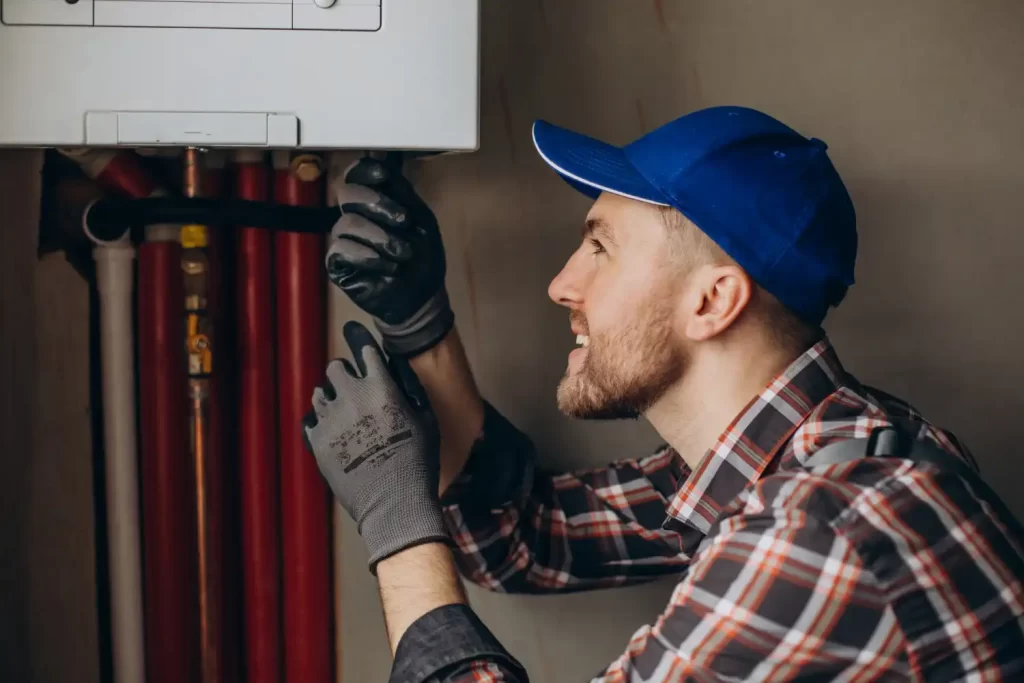
Heating systems are another critical part of the building fabric that require attention over winter. A well-maintained boiler and heating system not only keeps tenants comfortable but also protects pipework from freezing. Frozen pipes can burst, leading to extensive water damage that may render a property uninhabitable for a period of time. Routine servicing and regular checks during winter help ensure that heating systems operate efficiently and reliably, reducing the likelihood of sudden failures during cold spells.
Insulation also plays a key role in protecting properties during winter. Adequate loft insulation, properly sealed windows and doors, and well-maintained cavity walls help retain heat and prevent cold air from penetrating the building. This not only improves comfort but also reduces condensation, which is a major contributor to mould growth. By addressing insulation and draught-proofing as part of winter maintenance, property owners can preserve internal finishes and protect long-term structural integrity.
Supporting Tenant Comfort and Wellbeing
Property maintenance over winter is closely linked to tenant comfort and wellbeing. During colder months, tenants spend more time indoors and rely heavily on the property’s heating, hot water and insulation. A well-maintained property can make a significant difference to their quality of life, while a poorly maintained one can quickly become a source of stress and dissatisfaction.
Warmth is one of the most important factors in tenant comfort during winter. Properties that struggle to retain heat or suffer from unreliable heating systems can lead to complaints, increased energy costs and, in some cases, health issues associated with cold and damp living conditions. By prioritising winter maintenance, landlords can ensure that heating systems are functioning correctly and that the property meets expected standards for warmth and efficiency.
Winter maintenance also contributes to safety, which is a fundamental responsibility for landlords. Slippery paths, poorly lit entrances and faulty external fixtures can pose increased risks during darker, wetter months. Regular inspections and timely repairs help reduce the likelihood of accidents and demonstrate a commitment to tenant safety. This proactive approach can also help landlords meet their duty of care and avoid potential disputes or liability issues.
Good maintenance during winter can strengthen the relationship between landlords and tenants. When tenants see that issues are addressed promptly and that the property is cared for, they are more likely to report problems early, treat the property with respect and remain in the property for longer. Reduced tenant turnover is a significant benefit for landlords, helping to minimise void periods and associated costs such as advertising, referencing and redecoration.
Financial and Long-Term Benefits for Landlords and Owners
While winter property maintenance does require investment, it often leads to substantial financial benefits over the long term. Reactive repairs during winter emergencies are typically more expensive than planned maintenance, particularly when urgent call-outs are required during extreme weather conditions. Preventative maintenance allows landlords to budget more effectively and avoid unexpected costs that can disrupt cash flow.
Protecting a property during winter helps preserve its value. Structural damage caused by water ingress, damp or frost can be costly to rectify and may reduce the overall market value of the property if left unaddressed. Regular maintenance ensures that the property remains in good condition, which is particularly important for landlords who may wish to refinance, sell or re-let the property in the future.
Energy efficiency is another area where winter maintenance can deliver financial benefits. Properties that are well insulated and equipped with efficient heating systems typically have lower energy consumption. This is increasingly important in the context of rising energy costs and growing awareness of environmental responsibility. For landlords, energy-efficient properties are more attractive to tenants and may achieve higher rental demand, particularly as tenants become more conscious of utility bills.
Winter maintenance also helps landlords remain compliant with legal and regulatory requirements. In the UK, landlords have clear obligations to ensure that properties are safe, habitable and equipped with adequate heating and hot water. Failure to maintain these standards, particularly during winter, can result in enforcement action, fines or reputational damage. Proactive maintenance reduces the risk of non-compliance and provides peace of mind that legal responsibilities are being met.
From an operational perspective, winter can be an ideal time to review maintenance strategies and plan for the year ahead. Regular inspections and maintenance work carried out during winter can highlight areas that may require more substantial investment in the future. This allows landlords and property owners to plan improvements strategically, rather than reacting to sudden failures at inconvenient times.
Property maintenance over winter should be seen as an integral part of responsible property ownership rather than an optional extra. The challenges posed by winter weather can quickly expose weaknesses in a building, but they also provide an opportunity to demonstrate professionalism and care. By investing in maintenance during this critical period, landlords can protect their assets, support their tenants and achieve greater financial stability.
In the long term, properties that are well maintained through winter tend to experience fewer major issues, lower repair costs and stronger tenant relationships. This proactive approach not only reduces stress during the coldest months but also contributes to the overall sustainability and success of a property portfolio. Winter may be demanding, but with the right maintenance strategy in place, it can become a season of protection, preparation and long-term benefit for landlords and property owners alike.