
Owning rental property can be rewarding, but it also comes with ongoing maintenance responsibilities that can quickly become expensive if not handled proactively. Many landlords only discover issues after tenants report problems or when a property becomes vacant, by which point the damage has often worsened. Regular upkeep and preventative maintenance can significantly reduce costs, protect property value, and improve tenant satisfaction. Understanding the most common maintenance issues landlords face is the first step toward preventing them and keeping properties secure and compliant.
One of the most frequent issues landlords encounter is damp and mould, particularly in older properties or homes with poor ventilation. Oxfordshire has a mix of period housing, rural cottages, and older terraces, all of which can be prone to moisture-related problems if not properly maintained. Damp can develop slowly behind furniture, in loft spaces, or around poorly sealed windows, and tenants may not always notice it until it becomes visible. Preventing damp requires regular inspections, ensuring gutters and downpipes are functioning correctly, checking for leaks, and maintaining adequate ventilation throughout the property.
Roofing and gutter problems are another major maintenance concern that landlords often overlook until damage occurs inside the property. Blocked gutters, slipped tiles, and minor roof damage can allow water to enter the building, leading to internal staining, insulation damage, and eventually structural deterioration. In areas with trees or rural surroundings, gutters can fill quickly with leaves and debris, increasing the risk of overflow during heavy rainfall. Scheduling periodic external checks and clearing gutters before seasonal weather changes can prevent costly repairs and reduce the likelihood of emergency callouts.
Security-related maintenance is also commonly underestimated, particularly between tenancies or when properties are temporarily vacant. Worn locks, damaged doors, or loose window fittings can make a property vulnerable to opportunistic break-ins or vandalism. Even small issues such as a sticking lock or misaligned door frame can quickly become a security risk if ignored. Routine checks of entry points and prompt repairs help maintain property security and ensure landlords meet insurance requirements for vacant or rental properties.
Another issue landlords frequently face is garden overgrowth and external neglect, which can affect both property appearance and security. Overgrown gardens can signal that a property is vacant, attracting unwanted attention from trespassers or vandals. Excessive vegetation can also block access routes, damage fencing, and create damp conditions against exterior walls. Regular grounds maintenance not only protects the property but also improves kerb appeal, which is especially important when marketing a property to new tenants.
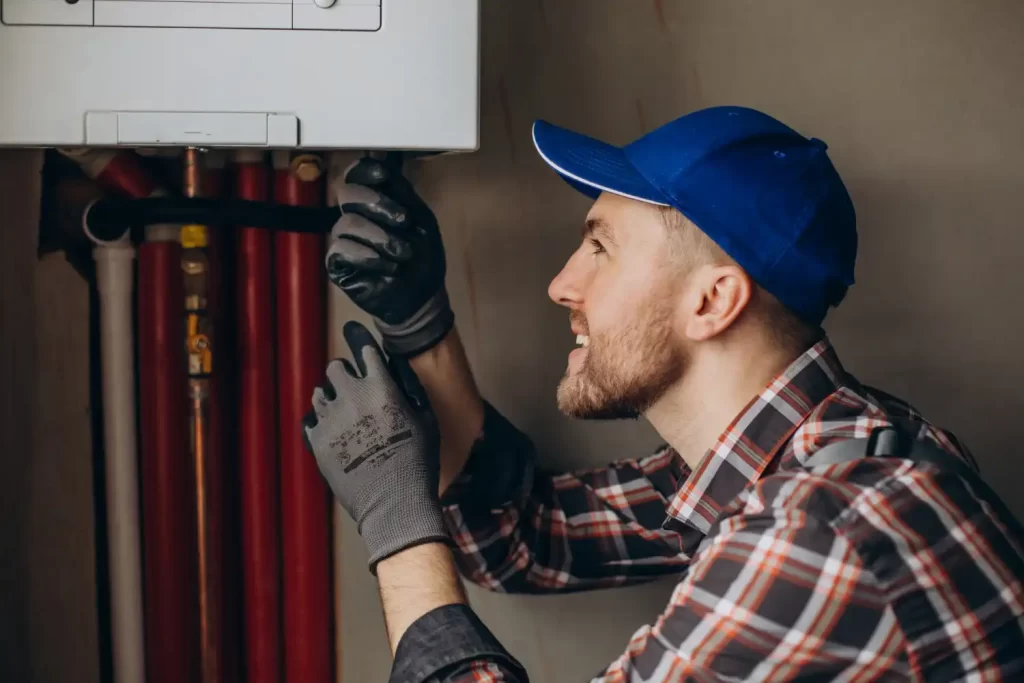
Plumbing problems, particularly burst pipes during colder months, can lead to some of the most expensive repairs landlords experience. Vacant properties are especially vulnerable because issues may go unnoticed for days or even weeks. A small leak can quickly escalate into extensive water damage affecting flooring, walls, and electrical systems. Preventative measures such as periodic inspections, maintaining heating at a safe level, and checking pipe insulation can dramatically reduce the risk of winter-related damage.
Many of these common maintenance issues share a similar pattern in that they begin as minor problems but become costly when left unattended. Landlords who rely solely on tenant reports may miss early warning signs, particularly in lofts, external areas, or rarely accessed spaces. Routine property visits allow small defects to be identified and addressed before they escalate. This proactive approach not only reduces repair costs but also helps maintain tenant relationships by demonstrating that the property is well managed.
Insurance considerations also play an important role in property maintenance, especially for landlords with vacant or multi-let properties. Many policies require regular inspections and evidence that reasonable steps have been taken to prevent damage. Failure to maintain gutters, secure entry points, or monitor vacant properties can sometimes lead to rejected claims. Keeping records of inspections and maintenance work provides reassurance and helps demonstrate compliance with policy conditions.
Preventative maintenance also contributes to long-term property value and tenant retention. Tenants are more likely to remain in properties that are safe, well maintained, and free from recurring issues such as damp or leaks. Frequent repairs and unresolved problems can lead to complaints, void periods, and reputational damage. Investing in routine maintenance reduces disruption and creates a more stable rental income over time.
Seasonal changes in Oxfordshire also influence the types of maintenance issues landlords face throughout the year. Autumn often brings blocked gutters and increased moisture, while winter introduces the risk of frozen pipes and storm damage. Spring and summer can reveal exterior deterioration, fencing damage, and garden overgrowth that developed during colder months. Adjusting maintenance schedules to reflect seasonal risks ensures that properties remain protected year-round.
Vacant properties require additional attention because issues can develop without anyone noticing them. A minor roof leak during heavy rain may not be detected until significant internal damage has occurred. Similarly, an unsecured window or door can leave a property exposed for extended periods. Regular checks during void periods provide peace of mind and allow landlords to respond quickly if problems arise.
Cost control is another reason landlords benefit from preventative maintenance. Emergency repairs are often more expensive due to urgency, callout charges, and the potential for additional damage. Planned maintenance allows landlords to schedule work at convenient times and budget more effectively. Over time, this approach can reduce overall maintenance expenditure while preserving the condition of the property.
Professional property maintenance services can support landlords by providing scheduled inspections and responsive repairs. Having a reliable team available ensures that issues such as damaged locks, leaking gutters, or minor structural concerns are addressed quickly. This is particularly useful for landlords who manage multiple properties or who live outside the local area. Regular reporting also helps landlords stay informed about the condition of their assets without needing to visit frequently.
Ultimately, the most common property maintenance issues landlords face are preventable with a proactive approach. Damp, roofing problems, security concerns, garden overgrowth, and plumbing failures all tend to develop gradually before becoming serious. Routine inspections, seasonal checks, and prompt repairs can significantly reduce risk and protect rental income. By staying ahead of maintenance issues, landlords can keep properties secure, compliant, and attractive to tenants while avoiding unexpected costs.